

 (289) 688-3733
October 12, 2026
When to Cut Back Hostas, Grasses & Hydrangeas
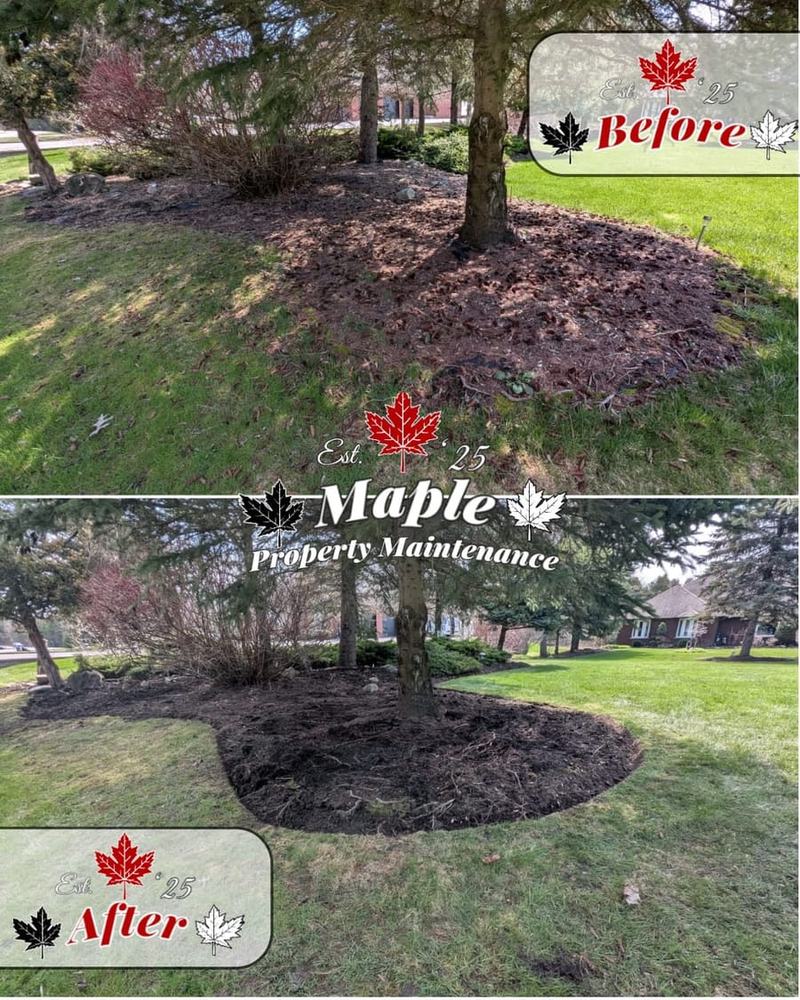
“Cut everything back in fall” is common advice, and so is “leave it all until spring.” Both are partly right, because the right answer changes with the plant. This is how we approach a fall garden cleanup in Durham Region, plant by plant, and the one rule that applies to all of them: wait until the plant has actually finished for the year.
The rule that applies to everything: wait for a hard frost
Perennials keep sending energy from their leaves down to their roots until frost shuts the process down. Cutting while foliage is still green takes away some of that. In Durham Region, that usually means waiting until after a few frosty nights, often late October into November, before you do the main cut-back.
Hostas
Hosta leaves turn yellow, then collapse into a slimy mat after a hard frost. That’s the signal. Cut the stems back to about 5 cm (2 inches) above the ground and remove the debris from the bed. Leaving the mat in place over winter gives slugs and their eggs a cozy place to spend the season, and the leaves turn to mush in the spring thaw. Hostas that stay healthy and upright can wait until spring if you prefer.
Ornamental grasses
Grasses are the exception to the “cut everything in fall” rule. Left standing, they add structure and movement to a winter garden, hold snow in attractive shapes and give small wildlife some cover. They’re normally cut back hard in late winter or early spring, before new growth starts. If you’d rather have a clean bed going into winter, cutting in fall won’t hurt the plant. It’s a choice about looks, not plant health.
Hydrangeas
This is the one that causes the most mistakes, because hydrangeas aren’t all pruned the same way:
- Bigleaf (mophead and lacecap). Many bloom on old wood — the buds for next summer are already formed on this year’s stems. Cut those stems back in fall and you’ve cut off next year’s flowers. Leave the structure alone until spring, then remove only what is clearly dead.
- Panicle (e.g. “Limelight”) and smooth (e.g. “Annabelle”). These bloom on new growth, so they tolerate being cut back, usually in late winter or early spring. Leaving the dried flower heads over winter is often fine, and they’re attractive.
Some reblooming bigleaf varieties flower on both old and new wood, but spring is still the safer time to prune them. If you don’t know which type you have, the safe default is not to cut it back in fall.
What to remove, no matter what
Plants that were diseased or pest-affected this year should come out of the bed rather than overwinter in it, and the debris should leave the property, not go in your compost. Mildewed peony foliage and spotted leaves are good examples. Leaves matting down on top of perennials and over the lawn are worth clearing before they flatten under snow — our fall cleanup checklist covers that sequencing.
When it’s worth having someone do it
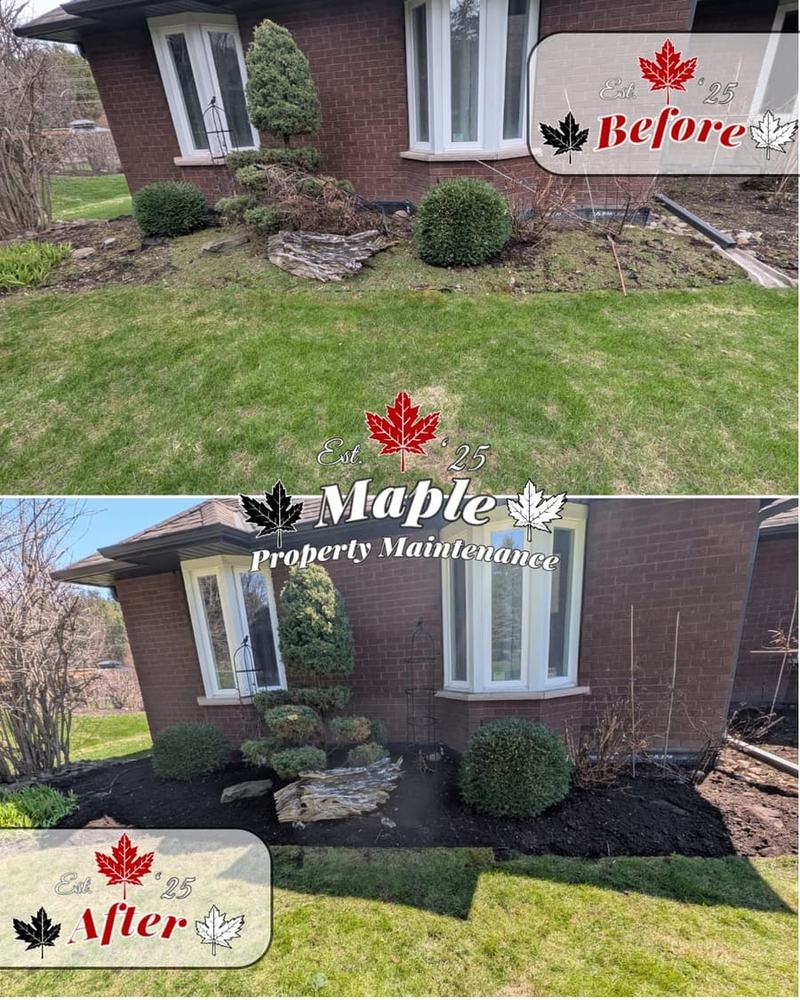
A proper fall cleanup is a sequence — leaves, beds, hedges, hauling — and it’s physical work with a lot of debris. We cut back perennials, ornamental grasses and shrubs, clear the beds, and haul all the yard waste away. Tell us what you’d like left standing for winter — grasses, for example — and we’ll work around it. Request a free quote or see our seasonal cleanups service.
Frequently Asked
When should I cut back my hostas in Ontario?
After a hard frost has collapsed the foliage — usually late October into November in Durham Region. Cutting while the leaves are still green and feeding the roots is too early.
Should I cut back ornamental grasses in fall?
Either works. Leaving them standing gives winter interest and some cover for wildlife, and they’re cut in late winter or early spring before new growth. If you’d rather have a tidy garden before winter, cutting in fall won’t hurt them.
Can I cut back all my hydrangeas in fall?
No. It depends on the type. Bigleaf hydrangeas set next year’s flower buds on old wood, so cutting them back in fall removes the blooms. Panicle and smooth types bloom on new growth and are more forgiving.
Your Property. Our Promise.
If any part of the work itself doesn't meet our standard, we come back and make it right — no argument, no extra charge.
Get Your Free Quote →