

 (289) 688-3733
October 12, 2026
When to Trim a Cedar Hedge in Ontario
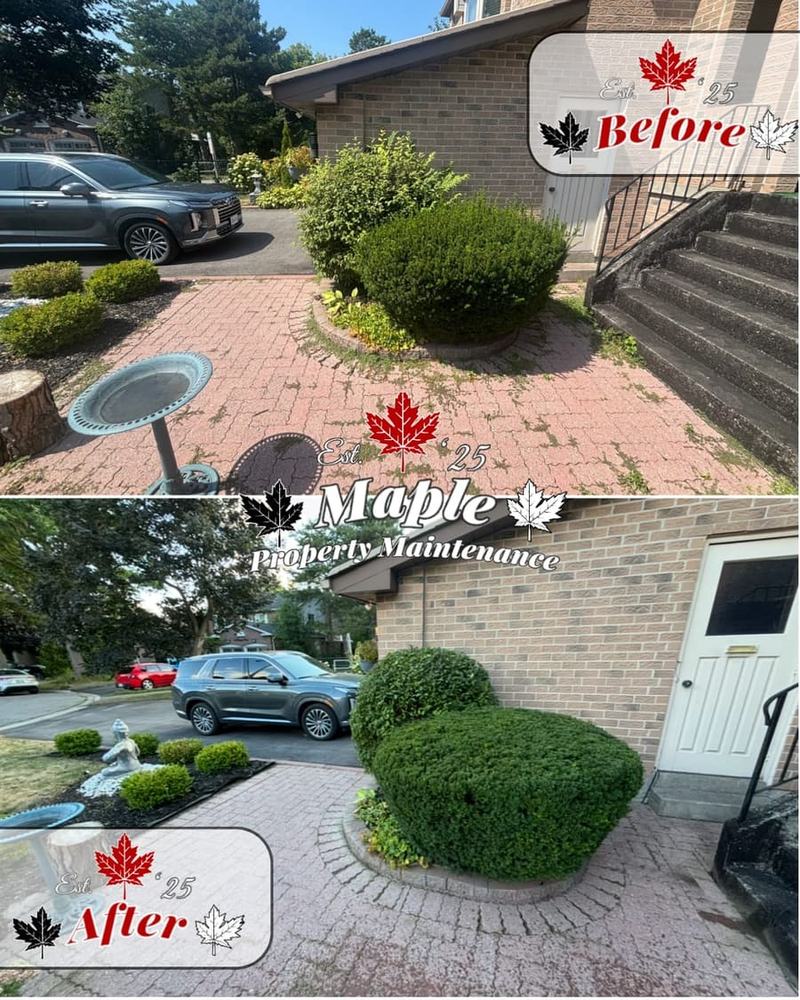
Hedges grow all spring and summer, and a lot of people reach for the trimmer in October because that’s when the rest of the yard gets attention. For many hedges that’s fine. For cedars, the most common hedge in Durham Region, timing matters more than most people think. Here’s how to think about it.
The best window for cedars
For cedar hedges in Ontario, the best time to trim is late spring through mid-summer, after the first flush of new growth has had time to firm up — roughly June to mid-August. A cut in that window gives the plant the rest of the growing season to seal the cuts and put on a little new growth before the cold arrives.
Trim too early, and you’re cutting before the plant has produced its growth. Trim too late, and the soft new shoots that follow a cut don’t have time to harden before frost, and those are the first parts winter damages.
What about trimming in the fall?
Many arborists suggest finishing the main trim by about mid-August in Ontario. After that, the choice is a judgment call: a very light tidy of stray growth is low-risk, but a heavy cut late in the season — when the plant is heading into dormancy and can’t repair itself — is not. A hard trim in November, right before a freeze, is the version most likely to leave brown, damaged ends in spring.
For a badly overgrown cedar hedge, the better plan is usually to wait for the proper window next summer rather than cutting hard now.
Don’t cut into bare wood
Cedars (arborvitae) don’t reliably send out new growth from old, bare, brown wood. If you cut back past the green growth to leaves-free branches, those branches usually stay bare. Keep your cuts within the green foliage. A hedge that’s too wide or tall to bring back in one cut can often be brought in gradually over two or three seasons.
Shape the hedge so it’s slightly narrower at the top than the bottom, so lower branches still get light. A hedge that’s wider on top than at the bottom will lose its lower foliage to shade.
Nesting season
Nesting birds and their active nests are protected under the federal Migratory Birds Convention Act. Environment and Climate Change Canada publishes general nesting periods by region; in southern Ontario the broader nesting season runs from roughly early April to late August. If you find an active nest in a hedge, trimming near it should wait until the nest is finished. That’s one more reason to check before starting.
Deciduous hedges are more forgiving
Hedges made of leafy shrubs (like privet or ninebark) tolerate more varied timing than cedars, and they’re easier to bring back from a hard cut because they regrow from old wood. If you aren’t sure what you have, ask before the first cut.
When to call someone
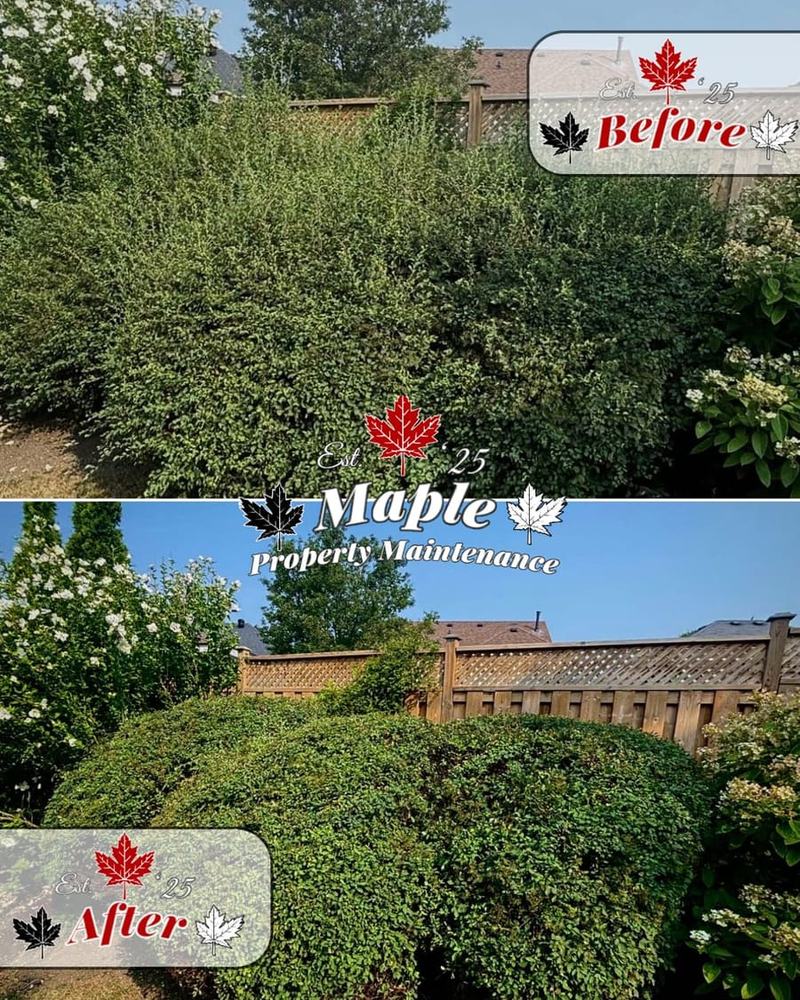
We trim and shape hedges and shrubs and haul all the clippings away. If you have a cedar hedge that’s gotten away from you, we’ll tell you honestly how far back it can safely go and whether to wait for summer. Request a free quote or see our hedge trimming service.
Frequently Asked
What is the best time to trim a cedar hedge in Ontario?
Late spring to mid-summer, once the spring growth has hardened — roughly June through mid-August. That gives fresh cuts time to seal before frost.
Can I trim cedars in late fall?
A light tidy is generally fine, but a hard cut late in the season is risky. New growth stimulated by trimming doesn’t have time to harden, and fresh cuts are more exposed to winter damage.
Can I cut a cedar hedge back hard if it’s overgrown?
Cedars don’t reliably regrow from bare, brown wood. An overgrown hedge is usually brought back gradually over more than one season, always leaving green growth on the branch.
Is there a time of year I shouldn’t trim hedges?
Yes — nesting season. Under the federal Migratory Birds Convention Act, active nests of migratory birds are protected, and the nesting period in southern Ontario generally runs from roughly early April to late August. Check for nests before trimming.
Your Property. Our Promise.
If any part of the work itself doesn't meet our standard, we come back and make it right — no argument, no extra charge.
Get Your Free Quote →